May 8, 2026
In the quest for sustainable building practices and reducing energy consumption, property owners are increasingly drawn to innovative roofing solutions. TPO (Thermoplastic Olefin) roofing is one such option that has gained popularity for its promise of energy efficiency and durability. As concerns over climate change and rising energy costs continue to grow, understanding the real-world performance of TPO roofing becomes increasingly important. This article explores whether TPO truly lives up to its reputation as an energy-efficient roofing system.
Reflective Properties and Cooling Benefits
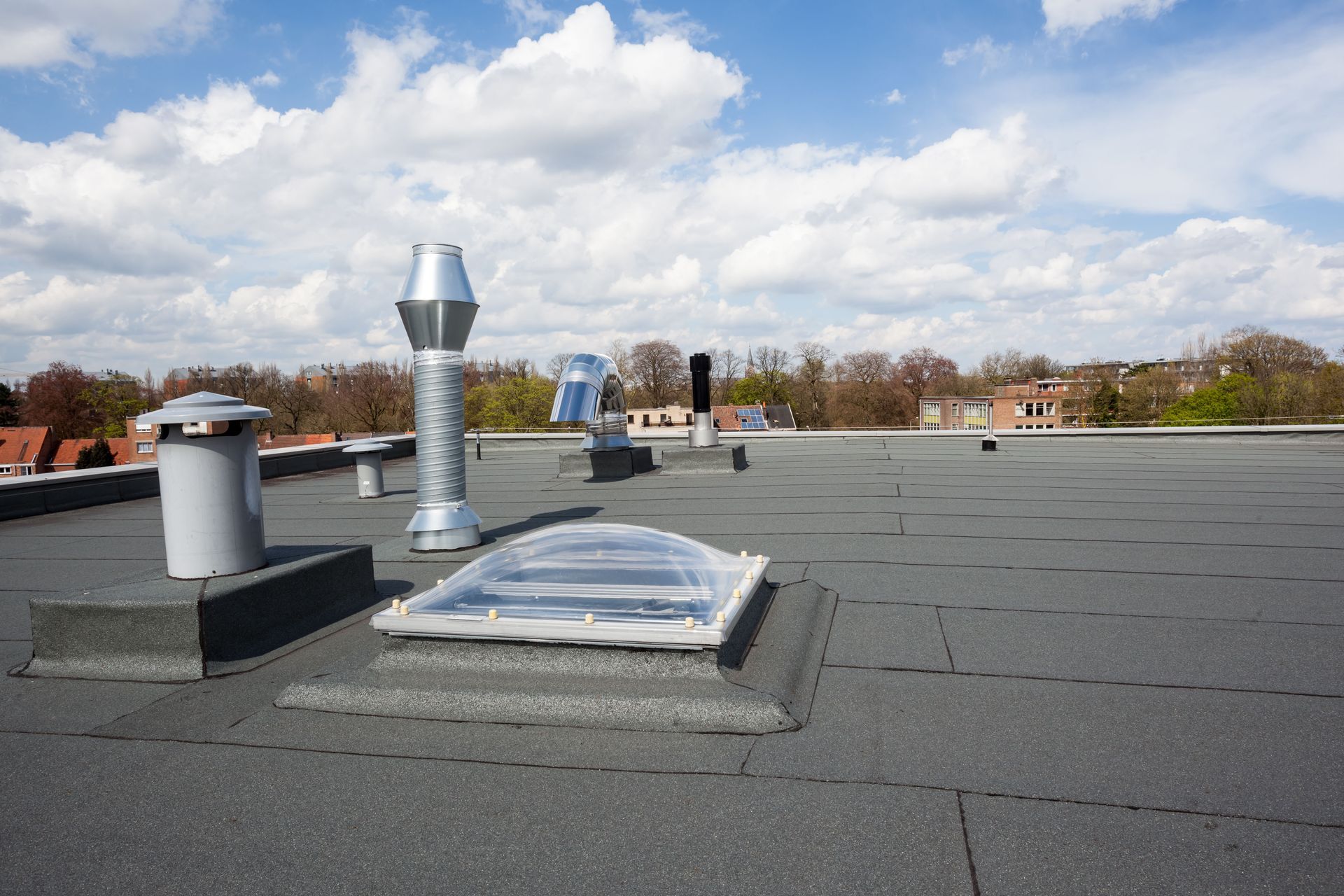
TPO roofing is widely recognized for its reflective surface, which plays a central role in its energy efficiency. Unlike traditional roofing materials that absorb heat, TPO membranes reflect ultraviolet (UV) rays away from the building. This helps maintain cooler indoor temperatures, particularly in warmer climates or during peak summer months. As a result, property owners often experience reduced reliance on air conditioning systems, which can lead to noticeable savings on energy bills. Over time, this cooling effect contributes to both financial savings and improved indoor comfort.
In addition to lowering indoor temperatures, the reflective properties of TPO roofing can help mitigate the urban heat island effect, a phenomenon where densely built environments experience higher temperatures than surrounding rural areas. By reflecting more sunlight and absorbing less heat, TPO roofs contribute to cooler building surfaces and, collectively, a more balanced urban climate. This broader environmental benefit further strengthens TPO’s position as a forward-thinking roofing solution.
Material Composition and Performance
The composition of TPO roofing also enhances its efficiency. Typically made from a blend of polypropylene and ethylene-propylene rubber, TPO membranes are engineered for durability and flexibility. These materials allow the roof to withstand temperature fluctuations while maintaining its reflective qualities. Additionally, this composition resists dirt buildup, which can otherwise reduce reflectivity over time. The long lifespan and consistent performance make TPO a strong candidate for sustainable construction projects.
Modern advancements in TPO manufacturing have further improved its reliability. Early versions of TPO roofing faced some concerns regarding seam strength and weathering, but today’s products are more refined and rigorously tested. Enhanced formulations and stricter quality control standards have resulted in membranes that offer better resistance to UV degradation, punctures, and chemical exposure. This evolution ensures that TPO continues to perform efficiently over its lifespan.
Installation Efficiency a
nd Resource Use
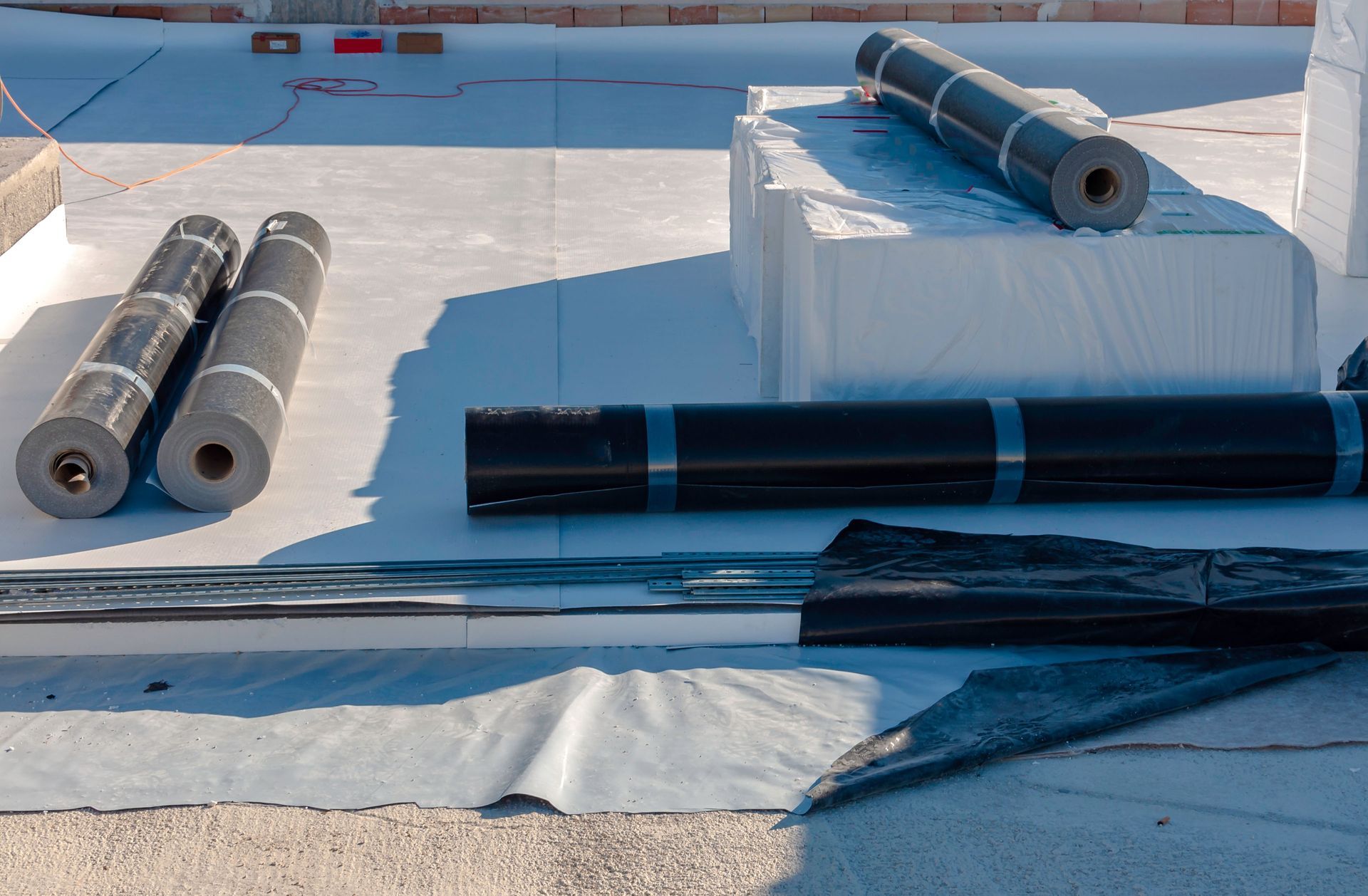
Another advantage of TPO roofing is its relatively quick and straightforward installation process. Most projects can be completed within a few days, depending on size and complexity. This efficiency reduces labor demands and minimizes resource consumption during construction. Faster installation also means property owners can begin experiencing energy savings sooner, adding to the system’s overall appeal.
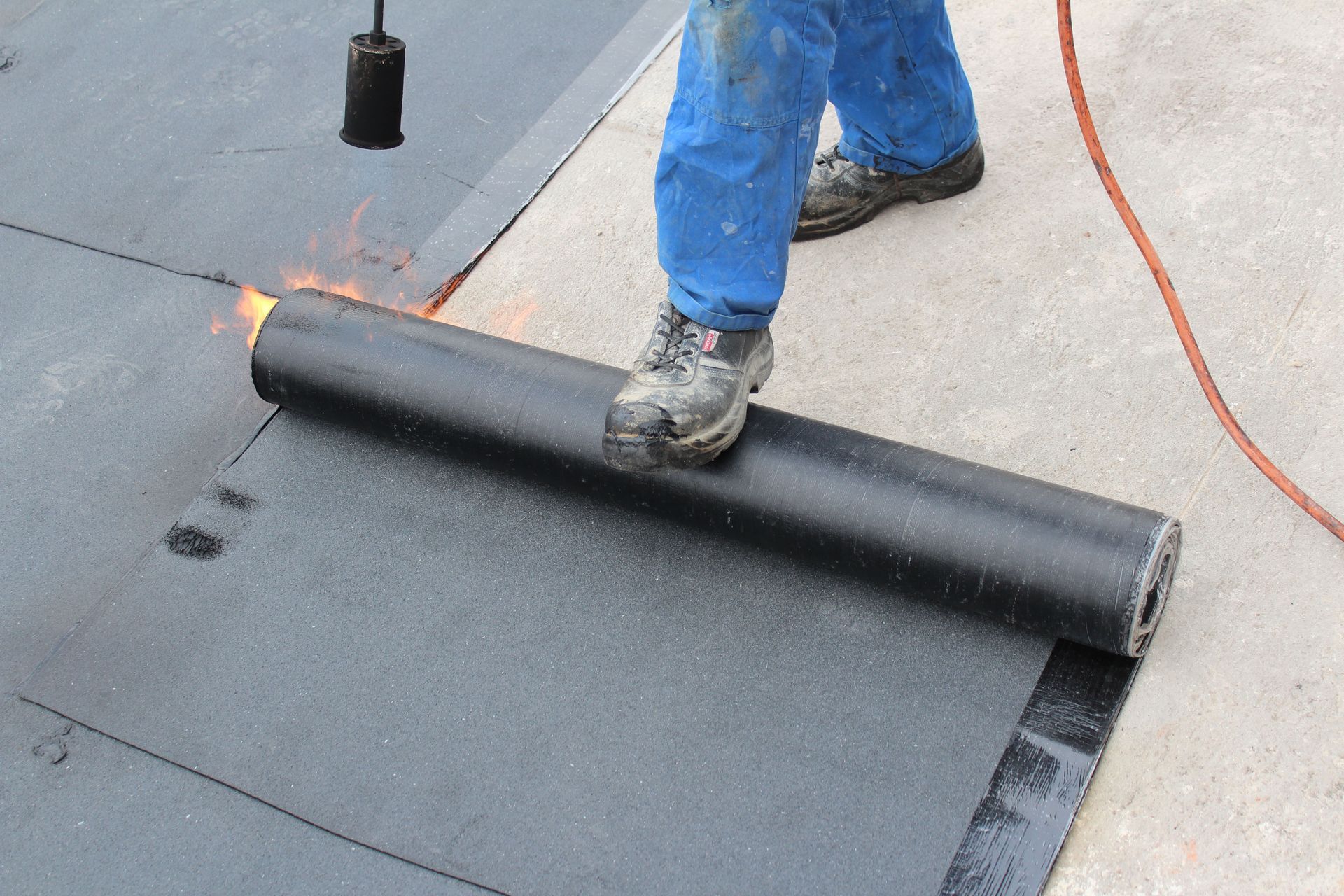
TPO roofing systems are also versatile in how they can be installed. They may be mechanically fastened, fully adhered, or heat-welded, depending on the building’s needs. Heat-welded seams, in particular, create strong, watertight bonds that enhance durability and reduce the risk of leaks. This adaptability allows TPO to be used across a wide range of commercial and residential applications without sacrificing performance.
Environmental Impact and Recyclability
Beyond energy savings, TPO roofing offers environmental benefits through its recyclability. Unlike some roofing materials that contribute to landfill waste, TPO membranes can often be recycled at the end of their lifecycle. This reduces environmental impact and supports circular building practices, making TPO an appealing option for eco-conscious builders and businesses.
Additionally, TPO is manufactured without chlorine and typically does not rely on harmful plasticizers, making it a cleaner alternative compared to certain other roofing materials. Its compatibility with energy-efficient insulation systems further enhances its sustainability profile, helping buildings achieve improved thermal performance and potentially qualify for green building certifications such as LEED.
Limitations and Climate Considerations
Despite its advantages, TPO roofing is not without limitations. Its energy efficiency largely depends on membrane color, with lighter shades providing better reflectivity. In colder climates, this reflectivity may reduce beneficial heat gain during winter, potentially increasing heating costs. Therefore, climate and geographic location should be carefully considered when selecting TPO roofing.
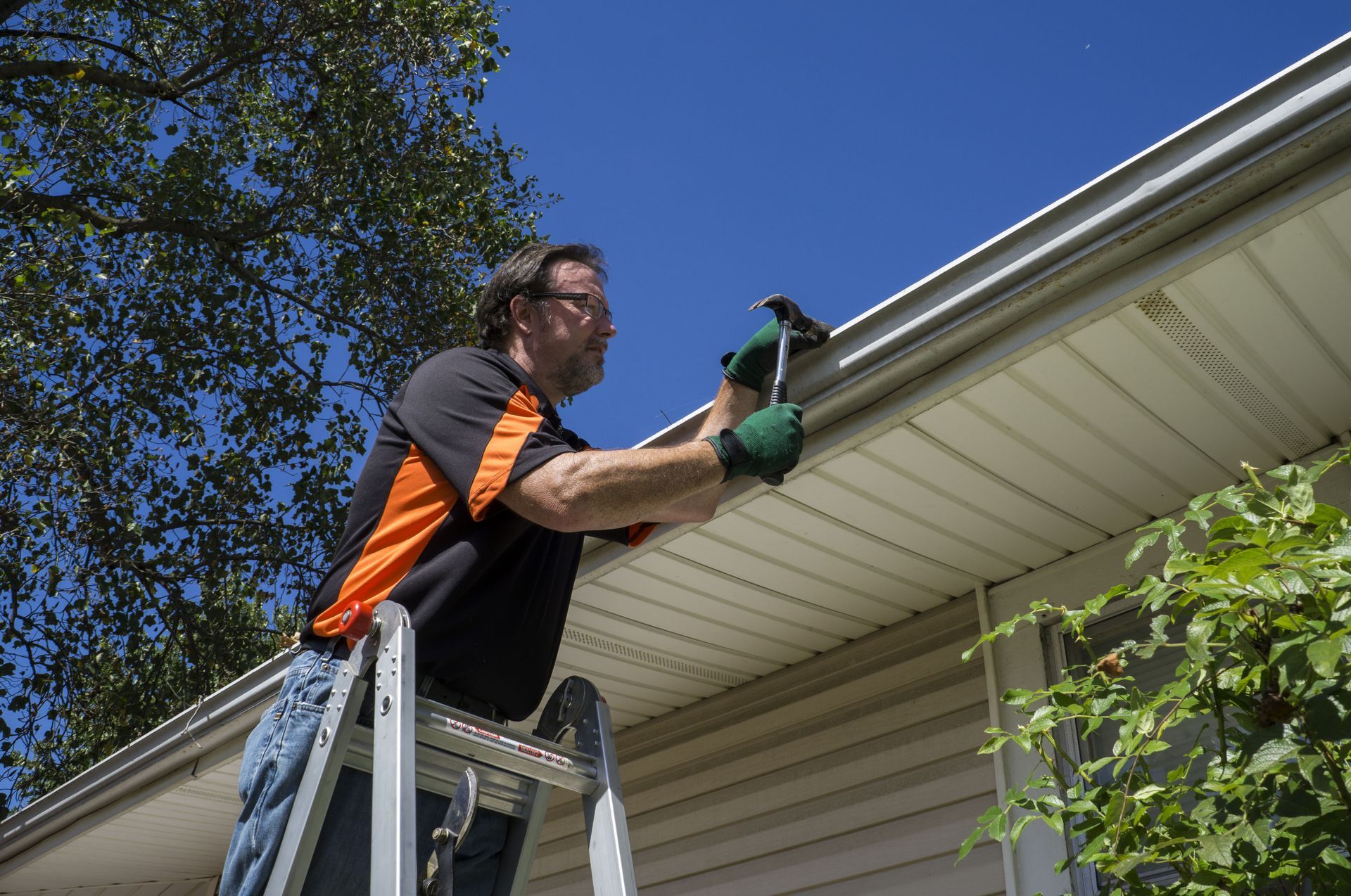
Another important consideration is installation quality. According to Medium, it can take between three and seven days to install a new roof. Improper installation can lead to issues such as seam failure, poor insulation performance, or drainage problems, all of which can impact the roof’s overall efficiency. Working with experienced professionals is essential to ensure the system performs as intended and delivers long-term value.
Overall Performance and Long-Term Value
Overall, TPO roofing presents a compelling mix of energy efficiency, durability, and environmental responsibility. Its ability to reflect heat, resist wear, and integrate with modern building systems makes it a strong choice for many property owners. While it performs exceptionally well in warm climates, its effectiveness can vary depending on regional conditions.
When chosen thoughtfully and installed correctly, TPO roofing can be a valuable component of a broader strategy to reduce energy consumption and environmental impact. With continued advancements in technology and growing emphasis on sustainability, TPO remains a practical and forward-looking solution in the evolving landscape of energy-efficient construction. Protect your home with roofing you can trust—contact Norton Sons Roofing Co and get the quality craftsmanship your roof deserves.